
46th IAD Conference 10-13 August 2026 Baja, Hungary
The socio-ecological future of the Danube:
integrating riverine and terrestrial systems for a sustainable Danube

Overview and scientific topics
The Danube River, Europe’s second longest river and the world’s most international river, connects diverse landscapes, ecosystems and societies from the Black Forest to the Black Sea. Its basin, shared by 19 countries, encompasses a wide range of riverine, floodplain, wetland, terrestrial and human-dominated systems that together form a tightly interlinked socio-ecological network. The functioning and resilience of the Danube River Basin depend on the interactions between aquatic and terrestrial environments, natural processes and human activities, making integrated perspectives essential for its sustainable future.
Over centuries, the Danube River Basin has been profoundly shaped by hydromorphological modifications, land-use changes, river regulation, navigation, hydropower development, agriculture, urbanisation and pollution. These pressures have altered physical, chemical and biological processes, disrupted habitats, and modified sediment and nutrient dynamics, with direct consequences for biodiversity and ecosystem services. Climate change further amplifies these impacts through rising temperatures, shifting precipitation patterns, more frequent extreme events and increasing water scarcity.
Ensuring the ecological integrity of the Danube requires an integrated understanding of the links between aquatic and terrestrial systems, from headwaters and tributaries to floodplains and surrounding landscapes. Long-term, coordinated monitoring of species, habitats and environmental conditions is essential to assess pressures and support effective management and restoration. Protected areas are key elements of biodiversity conservation, whose success depends on ecological connectivity and their integration into the wider river basin.
In response to these challenges, integrated water management is gaining importance at both European and basin scales. By linking river basin management with land-use planning, biodiversity conservation, climate adaptation and stakeholder involvement, such approaches aim to balance ecological, social and economic needs. Stronger cooperation across disciplines, sectors and borders, together with an effective science–policy interface, is essential for a sustainable socio-ecological future of the Danube.
The International Association for Danube Research (IAD), founded in 1956, has long served as a platform for advancing scientific knowledge, cooperation and capacity building in the Danube River Basin. Bringing together experts from a wide range of disciplines, IAD supports the exchange of data, ideas and best practices, and contributes to regional and international initiatives for water protection and sustainable development.
The IAD Conference provides a forum for presenting and discussing recent research, monitoring results, management experiences and innovative approaches that address the interactions between riverine and terrestrial systems and their role in shaping the future of the Danube. By fostering dialogue among scientists, practitioners and decision-makers, the conference aims to contribute to integrated, science-based solutions that enhance resilience, protect biodiversity and support sustainable development throughout the Danube River Basin.
We welcome the opportunity to share experiences from other large river basins in Europe and beyond.
Scientific topics
Section 1. Anthropogenically induced changes (hydromorphology, physical, chemical and biological components)
Section 2. Monitoring of aquatic species and habitats
Section 3. Protected areas and biodiversity conservation
Section 4. Climate change impacts
Section 5. Integrated water management embracing riverine and terrestrial systems
Venue
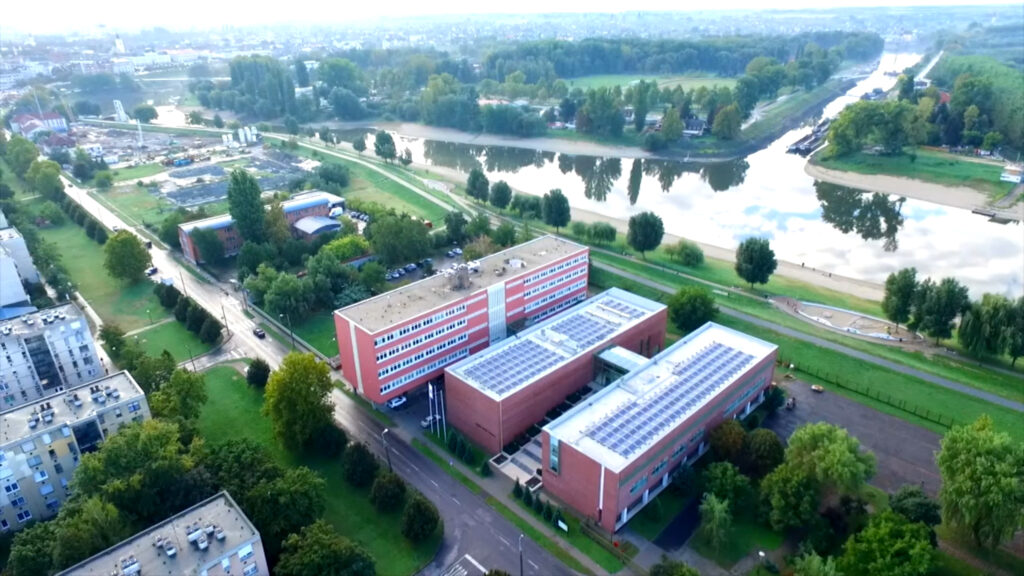
The conference will take place in Baja, Hungary, at the Faculty of Water Sciences of the Ludovika University of Public Service.
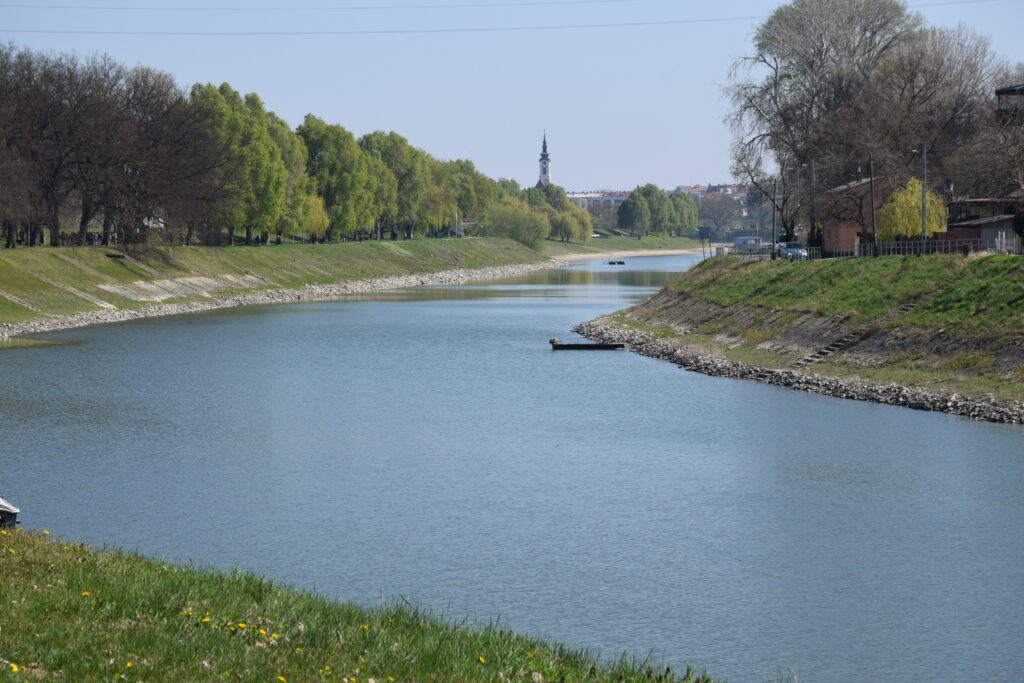
Baja is a historic riverside town in southern Hungary, situated along the Danube River at the interface of riverine, floodplain and terrestrial systems. Its proximity to the Danube–Drava National Park and the Gemenc floodplain—one of the largest and most ecologically valuable active floodplain areas in Central Europe—offers an outstanding natural setting to explore interactions between aquatic and terrestrial environments, biodiversity conservation and human use of landscapes.
The town has a long-standing tradition in water management, hydrology, environmental engineering and river basin studies, closely linked to the Danube and its socio-ecological functions. These characteristics make Baja a highly suitable venue for a conference focusing on the integrated management of riverine and terrestrial systems, climate adaptation, biodiversity protection and the sustainable future of the Danube River Basin.
The conference will be hosted by the Faculty of Water Sciences, which provides modern teaching and conference facilities, well-equipped laboratories and direct access to field-based research and educational sites.
Key dates
Registration: 30 April 2026
Abstract submission: 30 April 2026
Registration is valid after payment of the conference fee, payment deadline is May 15.
Organized by
Ludovika University of Public Service
Faculty of Water Sciences (Baja, Hungary)
The International Association for Danube Research

Budapest University of Technology and Economics (Budapest, Hungary)
HUN-REN Balaton Limnological Research Institute (Tihany, Hungary)

HUN-REN Center for Ecological Research, Institute of Aquatic Ecology (Budapest, Hungary)

WWF Hungary (Budapest, Hungary)

Supported by: Danube Region Strategy
Under the patronage of: Hungarian Academy of Science

Commitees
Organizing commetee
Keve, Gábor; Ludovika University of Public Service, Faculty of Water Sciences (Baja, Hungary)
Erős, Tibor; HUN-REN Balaton Limnological Research Institute, Tihany (Hungary)
Fehér, Zoltán; WWF Hungary, Budapest (Hungary)
Istvánovics, Vera; IAD country representative (Budapest, Hungary)
Lukács, Balázs András, HUN-REN Center for Ecological Research, Institute of Aquatic Ecology, Budapest (Hungary)
Majer, Fruzsina Kata; Ludovika University of Public Services, Faculty of Water Sciences (Baja, Hungary)
Tamás, Enikő Anna; Ludovika University of Public Services, Faculty of Water Sciences (Baja, Hungary)
Teubner, Katrin; IAD General Secretary, Vienna (Austria)
Scientific commettee
Keve, Gábor; Ludovika University of Public Service, Faculty of Water Sciences (Baja, Hungary)
Balaican, Dragos; “Danube Delta” National Institute for Research and Development, Tulcea (Romania)
Bănăduc, Doru; Lucian Blaga University of Sibiu (Romania)
Cyffka, Bernd, president of IAD; Catholic University of Eichstaett-Ingolstadt, (Germany)
Cvijanović, Dušanka; University of Novi Sad (Serbia)
Germ, Mateja; University of Ljubljana (Slovenia)
Haidvogl, Gertrud; BOKU University, Vienna (Austria)
Hein, Thomas; BOKU University, Vienna and WasserCluster Lunz (Austria)
Istvánovics, Vera; IAD country representative (Budapest, Hungary)
Kirschner, Alexander; Medical University of Vienna (Austria)
Kováč, Vladimír; Comenius University, Bratislava (Slovakia)
Kozma, Zsolt; Budapest University of Technology and Economics (Hungary)
Lenhardt, Mirjana; University of Belgrade (Serbia)
Pařil, Petr; Masaryk University, Brno (Czechia)
Postolache, Carmen; University of Bucharest (Romania)
Pöppl, Ronald; BOKU University, Vienna (Austria)
Radulović, Snežana; University of Novi Sad (Serbia)
Sandu, Cristina; Vice President, International Association for Danube Research
Scrieciu, Albert; Romanian National Institute of Marine Geology and Geoecology, Bucharest (Romania)
Tamás, Enikő Anna; Ludovika University of Public Service, Faculty of Water Sciences (Baja, Hungary)
Teubner, Katrin; IAD General Secretary, Vienna (Austria)
Yuryshynets, Volodymyr; Institute of Hydrobiology of the National Academy of Sciences of Ukraine, Kiev (Ukraine)
Vasas, Gábor; HUN-REN Balaton Limnological Research Institute, Tihany (Hungary)
Végvári, Zsolt; HUN-REN Center for Ecological Research, Institute of Aquatic Ecology, Budapest (Hungary)
Contact
If you have any questions about your registration or accommodation, please contact the Conference Organisers.
We look forward to seeing you at IAD 2026 conference!
Links
Ludovika University of Public Service, Faculty of Water Science website (Baja, Hungary)
Budapest University of Technology and Economics website (Budapest, Hungary)
HUN-REN Balaton Limnological Research Institute website (Tihany, Hungary)
HUN-REN Center for Ecological Research, Institute of Aquatic Ecology website (Budapest, Hungary)
WWF Hungary website (Budapest, Hungary)
International Commission for the Protection of the Danube River website (ICPDR)
EU Strategy for the Danube Region website (EUSDR)
EUSDR Priority Area 06 website ‘To preserve biodiversity, landscapes and the quality of air and soils’
Danube Sturgeon Task Force website (DSTF)
DANUBE4all website – Restoration of the Danube River Basin for ecosystems and people from mountains to coast
DaWetRest website – Danube Wetlands and flood plains Restoration through systemic, community engaged and sustainable innovative actions
DANSER website – DANube Sediment Restoration: towards the deployment and upscaling of sustainable management of the sediments across the Danube catchment basin